

 Accutane Myths Debunked: Facts for Prospective Users
Separating Accutane Facts from Popular Misconceptions
Stories about Accutane can feel like urban legends: dramatic before and after photos and dire warnings spread faster than context. In reality, isotretinoin is a powerful, well studied treatment with clear indications and monitored risks. Clinicians balance severity of acne against side effects, using doses and follow up to reduce harm while maximizing long term remission.
Separating fact from fear means asking specific questions: how common are side effects, what monitoring is required, and can scarring or relapse be minimized? Evidence shows many reactions are predictable and manageable, while serious complications are uncommon with proper oversight. Talk openly with a dermatologist to weigh benefits, personalize treatment, and replace myths with clear, practical guidance for you.
| Myth | Fact |
|---|---|
| Causes inevitable severe depression | Serious mood changes are monitored and uncommon |
Understanding Accutane’s Real Risks Versus Rumors
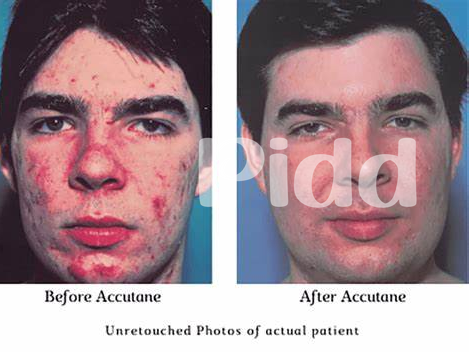
I remember the dramatic warnings—friends swapping horror stories—but the reality is more nuanced. accutane is a powerful medication with well-documented effects: common ones are dry skin, chapped lips, and temporary lipid or liver-test changes. These are predictable and usually managed by dose adjustment and monitoring.
Some rumors claim permanent organ damage or guaranteed depression; large studies show serious adverse events are uncommon, but certain risks exist. Elevated triglycerides and abnormal liver enzymes occur in a minority and require blood tests. Mental-health changes have been reported, so clinicians screen history and patients report mood shifts promptly.
The takeaway is not fear, but informed consent: pregnancy is strictly contraindicated because of high birth-defect risk, so prevention programs and reliable contraception are standard. Regular dermatologic follow-up, lab checks, and honest conversations about benefits versus downsides help most people achieve clear skin safely today.
Who Should Consider Accutane: Eligibility Explained
A patient sits in a dermatologist’s office, exhausted by recurring cystic acne. The doctor explains accutane is typically considered for severe, nodular, or treatment‑resistant acne after standard therapies fail.
Eligibility depends on acne severity, prior treatment history, and overall health. Blood tests and pregnancy precautions are mandatory; mental health and liver conditions influence candidacy and medication interactions.
Young people, adults, and those with significant scarring risk may be candidates. Pregnant people and those planning pregnancy are excluded; reliable contraception is required during and after treatment.
A careful discussion weighing benefits, realistic expectations, and side effect management helps individuals decide. Shared decision‑making with a dermatologist ensures monitoring plans are in place and safety measures understood thoroughly.
Side Effects: Frequency, Management, and Expectations
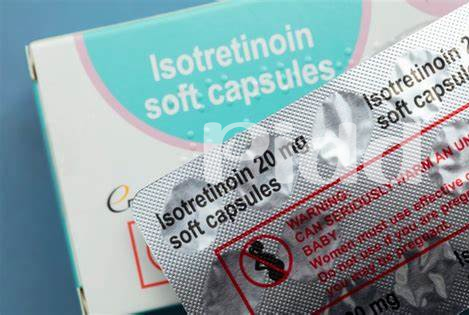
When I began accutane, common reactions showed up fast: chapped lips, dry eyes, and peeling skin are the rule rather than the exception. These mild effects often appear within weeks and usually respond to simple supportive care from moisturizer and lip balm.
More serious laboratory changes, such as elevated liver enzymes or increased cholesterol, occur in a minority of users and are usually reversible with dose adjustment or temporary pause. Regular blood tests and open communication with your prescriber make these risks manageable.
Some patients report changes in mood, joint pain, or heightened sun sensitivity; while causality is debated, any new or worsening symptoms should prompt immediate review. Eye drops, sunscreen, and over-the-counter pain relief often help, and specialists can tailor dosing to reduce burden.
Expect routine monitoring, realistic timelines, and a good chance of lasting improvement after completing therapy.
Pregnancy, Birth Defect Concerns, and Safety Measures
Deciding about accutane can feel like stepping onto a tightrope; the treatment is powerful and demands respect. Clinicians emphasize its known teratogenic risk, so anyone capable of conceiving must follow strict protocols: reliable contraception, documented negative tests before and during therapy, and clear informed consent.
Many countries use registry programs to track exposures and reduce harm; monthly monitoring, education about timing, and post-treatment contraception guidance lower risk. Side effects should be discussed openly, but with adherence to prevention measures the chance of an affected pregnancy becomes very small. Talk with your dermatologist about individual timing, alternatives, and testing plans. Clinics often advise waiting a minimum period after stopping therapy before trying to conceive again safely.
| Precaution | Purpose |
|---|---|
| Two forms of contraception | Significantly reduces pregnancy risk |
| Monthly pregnancy tests | Early detection and prevention |
| Registry enrollment | Monitors outcomes and informs safety |
Long-term Outcomes: Scarring, Relapse, and Satisfaction Rates
Many people fear permanent scarring after acne, but isotretinoin often prevents new scars by eliminating severe inflammation. Existing scars usually require targeted treatments (laser, microneedling, fillers) for visible improvement. Early treatment can therefore protect long‑term skin texture even if some procedures remain necessary.
Relapse is possible but not the rule: studies show a substantial fraction remain clear for years after a single course, while others benefit from a repeat course or maintenance topical therapy. Factors influencing recurrence include initial severity, total dose received, and individual biology.
Most patients report high satisfaction because acne control improves confidence and reduces long‑term skin damage; discussing realistic goals before starting helps align expectations. Work with your dermatologist on scar management and monitoring to maximize durable results and satisfaction. Longitudinal studies suggest many keep benefits for a decade or more, especially after adequate cumulative dosing. NHS: Accutane FDA: Isotretinoin information