
 Antibiotic Resistance and Amoxicillin: Preventing Misuse
Misuse of Common Antibiotics Fuels Hidden Superbugs
A neighbor's cough became a cautionary tale: a quick antibiotic course eased symptoms but left something unseen behind. Bacteria exposed to drugs can adapt, surviving future treatments and spreading silently.
This hidden resistance doesn't always announce itself; it grows when antibiotics are used for viral illnesses, incorrect doses, or incomplete courses. Over time common drugs lose effectiveness against ordinary infections.
Communities pay the price: prolonged hospital stays, limited treatment options, and higher costs. Awareness and careful prescribing can slow resistance, preserving amoxicillin and other antibiotics for future patients in need.
| Action | Consequence |
|---|---|
| Unnecessary prescriptions | Accelerated resistance |
Recognizing When Antibiotics Actually Provide Clear Benefit
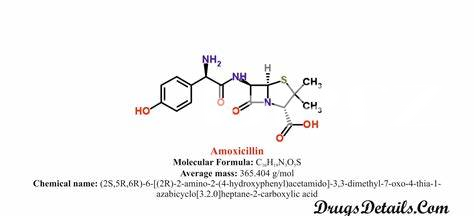
A mother watched her son's fever ease after a confirmed bacterial ear infection; the clinician used examination and rapid testing to be certain before prescribing amoxicillin for a clear reason.
Antibiotics help when there is documented bacterial growth, high-risk patients, or infections that do not resolve with supportive care. Viral illnesses, by contrast, will not improve with these drugs.
Clear benefit also appears in pneumonia with abnormal chest X-rays, strep throat confirmed by rapid antigen test, and urinary tract infections with positive cultures — situations warranting targeted therapy.
Discuss risks, duration, and narrowest effective agent with your clinician; appropriate use of amoxicillin or alternatives reduces resistance and protects future treatment options for patient safety too.
Common Misuse Scenarios and Real Patient Consequences
She left the clinic convinced antibiotics would speed recovery, clutching a prescription for amoxicillin despite a clear viral diagnosis. Months later she returned with a resistant sinus infection that required stronger drugs; what began as reassurance became a lesson in unintended harm. Casual sharing of leftover pills, pressuring clinicians, and incomplete courses all set the stage for bacteria to outsmart standard therapy. That misperception fuels local resistance hotspots and hidden risks.
Clinicians see patterns: recurrent infections that no longer respond, longer hospital stays, and more side effects from broader-spectrum agents. For patients this translates into higher costs, delayed recovery, and sometimes invasive procedures when choices narrow. Real stories remind us that every pill matters — inappropriate use doesn’t just fail individuals, it erodes future treatment options for the whole community. Timely testing and stewardship can prevent many such avoidable complications.
Safe Prescribing Practices Doctors Should Always Follow
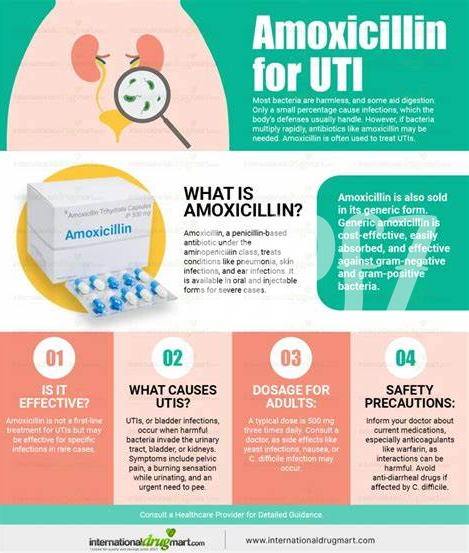
A clinic physician recalls prescribing amoxicillin for what seemed a routine ear infection, then watching symptoms persist; that moment taught a lesson about testing before treating and reserving antibiotics for clear bacterial disease. It reinforced that even routine scripts pose risk, demanding vigilance, clear records, and regular guideline review updates.
In practice this means confirming bacterial etiology when possible, choosing narrow spectrum agents, checking drug allergies and interactions, using correct dose and duration, and ordering cultures for severe infections to guide therapy.
Equally important is clear patient communication: explain why antibiotics may be unnecessary, outline expected recovery timelines, arrange follow up, and document decisions. These habits protect patients and reduce the emergence of resistant organisms.
How Patients Can Avoid Contributing to Resistance
One evening a parent hesitated when a doctor suggested amoxicillin for a child’s ear infection, remembering a neighbor’s side effects. Listening closely to symptoms and trusting the clinician’s decision helped avoid unnecessary antibiotics. Ask whether an antibiotic is really needed, request tests if appropriate, and understand the expected course of illness. Clear conversation prevents misuse and reduces selective pressure that breeds resistant bacteria. Keep records of reactions and allergies. Immediately.
Finish the prescribed course even if you feel better, and never save or share leftover pills; improper use trains microbes. Dispose of unused amoxicillin at take-back programs or pharmacy drop-offs to prevent accidental ingestion or environmental contamination. Embrace vaccines, hand hygiene, and staying home when sick to limit spread. If symptoms worsen, seek reassessment rather than self-medicating. Small choices in daily life collectively slow resistance and protect future treatment options.
| Action | Why |
|---|---|
| Finish antibiotic | Prevents survival of resistant bacteria |
| Do not share or save | Avoid inappropriate dosing and misuse |
Public Health Strategies to Curb Antibiotic Overuse
In a small clinic the tired doctor often faces pressure to hand over a prescription, and each decision ripples through the community. Strong stewardship programs guide clinicians toward evidence-based choices, while rapid diagnostics reduce uncertainty and inappropriate prescriptions. Ongoing clinician training and clear prescribing guidelines reinforce good decisions.
Public education campaigns reshape expectations, teaching families when antibiotics help and when they do not; straightforward messages reduce demand and empower patients. Vaccination and infection control lower disease spread, cutting the need for antibiotics. Accessible primary care and empowered pharmacists offer alternatives to unnecessary prescriptions.
National surveillance and sensible agricultural policies track resistance patterns and limit nontherapeutic antibiotic use in animals. When policymakers, clinicians and citizens act together, misuse declines and effective treatments remain available for future generations. Sustained investment in research, diagnostics and global cooperation closes gaps between policy and practice.