
 Real Stories: Living Sober on Antabuse
Morning Rituals That Reinforce Commitment to Sobriety
I wake to the kettle and a practiced pause, inventorying the day’s risks before speech or scroll. A short grounding breath and the pill taken with a glass of water become a promise made out loud.
I jot one-line intentions—work, self-care, one social limit—on a sticky note that lands on the mirror. Seeing it transforms an abstract goal into concrete tasks, reducing drift.
A quick check-in with a sponsor or group text anchors accountability; laughter and brevity remind me this path is shared. Small rituals compound into safety when temptation blooms later.
Clinically, consistent routines support neural rewiring and reduce craving spikes; practically, they grant morning dignity. That combining science with symbolism keeps me steady.
| Step | Action | Purpose |
|---|---|---|
| 1 | Medication & water | Physical deterrent |
| 2 | Intentions on mirror | Focus & accountability |
Unexpected Challenges and Navigating Temptation in Public
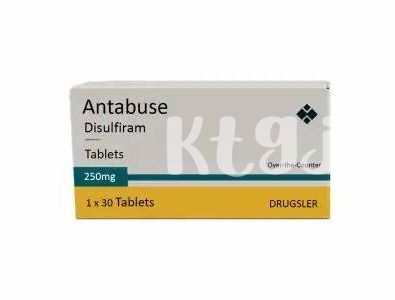
Walking down a lively street, I once froze at a café terrace where laughter and clinking glasses felt like a magnet. Antabuse was a quiet guardian in my pocket and a loud teacher in my body — I had no desire to cause a reaction, but the real lesson was learning to name triggers: celebratory toasts, perfume of whiskey, casual offers from strangers. I learned quick refusal lines and routes that skirted temptation.
I often carry a card explaining my medication and leave home earlier to avoid crowded bars; friends became lookouts and cafés with alcohol-free menus turned into safe checkpoints. When unavoidable, I rehearse short exits, sip sparkling water, frame invitations as practice in resilience. Knowing antabuse’s consequences made me honest with hosts and clinicians, and slowly public outings shifted from hazards to manageable rehearsals in staying present and sober.
Support Networks: Friends, Family, and Recovery Groups
Morning coffee with my sponsor became a small ritual: we talk goals, triggers, and practical plans. Hearing someone who understands reduces isolation and reminds me why I chose antabuse.
Family check-ins are honest and sometimes hard; they set boundaries and celebrate clear days. Practical support like rides, meals, and accountability calls keeps momentum between meetings.
Recovery groups combine lived stories with strategies: relapse prevention, coping skills, and referrals to clinicians monitoring antabuse side effects. Together these connections create accountability, normalcy, and hope for long-term sobriety and practical encouragement every day.
Side Effects, Medical Debates, and Dosing Realities
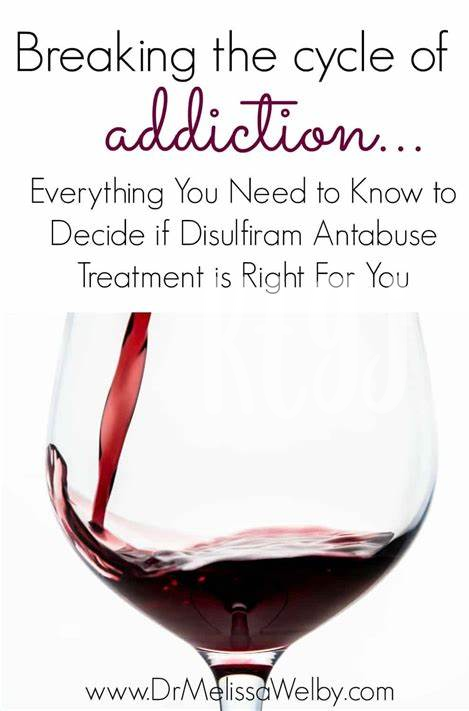
I remember the first week on antabuse as a mix of resolve and awkward bodily signals: a metallic taste, unexpected nausea and fatigue that tested my patience. My doctor explained the typical reactions and the need for liver monitoring, while online forums argued over long‑term benefits versus placebo effects. That medical back‑and‑forth felt less abstract when a delayed reaction at a party forced me to leave early and call my sponsor, reminding me that vigilance and clear communication with clinicians matters.
Practical dosing is rarely one‑size‑fits‑all; clinicians may start low, adjust for tolerance, or arrange supervised doses, and they emphasize reviewing medications for interactions. I learned to carry a card explaining my treatment, avoid unknown concoctions, and schedule regular blood tests to track enzymes. Over time those routines became rituals protecting progress steadily and turning clinical caution into daily safeguards.
Personal Triumphs: Milestones, Rituals, and Sober Celebrations
Few moments match the quiet joy of hitting a milestone sober: a month, a year, or simply a hard day finished. These events mix relief with pride, and remembering the work behind them keeps motivation alive.
Some people mark progress with rituals — journaling, a run, planting a tree — actions that reaffirm identity without alcohol. Celebrations become sober habits that honor effort and create positive memories.
Medication like antabuse adds accountability, and many mark adherence as part of recovery. Clinicians suggest pairing clinical milestones with personal rewards to reinforce healthy habits.
Sharing successes with trusted friends or groups amplifies meaning; small acknowledgments build momentum toward lasting stability. Over time these rituals recenter life away from drinking.
| Milestone | Example Ritual |
|---|---|
| 1 month | Journal & walk |
| 1 year | Small trip with sober friends |
Long-term Outlook: Rebuilding Life after Medication Treatment
After finishing medication, many describe a cautious optimism: routines learned during treatment become daily scaffolding while cravings ebb and reappear. Regular therapy, medical follow‑ups, and peer support translate lessons into habits. Rebuilding trust with loved ones takes time, but consistent actions and transparent communication accelerate healing.
Practical steps—steady employment, new hobbies, and relapse plans—build confidence. Some return to medications temporarily; others never do. Lifelong vigilance and flexible strategies reduce relapse risk. Celebrating small milestones cements identity beyond alcohol, allowing a purposeful, steadily evolving life rooted in choice rather than compulsion.