

 Off-label Use and Bodybuilding — Myths, Facts, and Dangers
Common Off Label Drugs Bodybuilders Use and Why
I watched a friend chase quick wins, swallowing pills and injectables he barely understood. He promised dramatic results in weeks.
Common choices include hormones, metabolic stimulants and topical agents used off-label to boost size or cut fat. Doctors rarely endorse such regimens because safety data is limited.
Marketing, gym lore and obsession with aesthetics push men towards risky protocols without medical oversight.
Short-term gains can mask mood swings, organ strain and infection risks; smart athletes weigh evidence, tests and pro guidance instead. Assess risks, consult physicians, and prioritize longevity first.
Separating Myths from Facts about Performance Enhancers
In the locker-room buzz, promises of quick cuts and bigger lifts spread like wildfire; stories of miracle pills sound convincing until you ask for proof. Anecdotes and before‑and‑after photos often replace science, creating myths that lure athletes into risky choices.
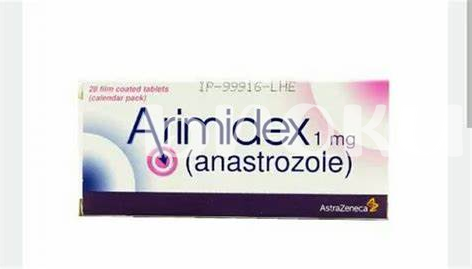
Facts matter: some compounds do alter hormone levels and performance, but effects, dosing, and side effects vary. For example, arimidex can reduce estrogen in men taking anabolic agents, yet improper use risks joint pain, bone loss, and hormonal imbalance.
Before experimenting, consult a clinician, demand peer‑reviewed studies, and prioritize nutrition, sleep, proper recovery, and training programming proven to work. Smart, evidence‑based choices protect both short‑term goals and long‑term health; myths only promise speed without safety.
Short Term Gains, Long Term Health Costs Revealed
He chased rapid gains, injecting confidence and muscle in months, but the wins felt borrowed. Friends whispered protocols, suggesting off-label tweaks — and anastrozole or arimidex to manage estrogen — as if chemistry were a shortcut to permanence.
Months later, mood swings, joint pain and disrupted hormones crept in; bloodwork revealed suppressed testosterone and liver strain. The immediate transformation masked cascading consequences that medical studies link to cardiovascular risk and infertility.
Real success balances ambition with biology: consult clinicians, get labs, and prefer evidence-backed cycles or natural progression. Long-term athleticism demands patience over shortcuts that mortgage future health. Educate yourself, follow peer-reviewed guidance, and prioritize recovery, nutrition, and consistent training instead of risky fixes today.
Legal and Ethical Consequences Every Athlete Should Know

Athletes face suspensions, stripped titles, and criminal charges when using or distributing off-label performance drugs; even perceived casual use—like taking arimidex without prescription—can trigger investigations and harsh penalties from authorities.
Trust erodes quickly: sponsors withdraw, teammates lose faith, and healthcare records may carry legal liability. Ethical breaches also harm sport integrity, creating long-term reputational damage that rarely fully heals again.
Legal defenses are complex; ignorance is no excuse in court or arbitration. Consult medical and legal professionals before any off-label use, document prescriptions, and prioritize long-term health over short-term acclaim.
Safe Alternatives and Evidence Based Performance Strategies Explained
Think of training as a science: prioritize progressive overload, consistent protein intake and sleep to drive sustainable gains. Evidence supports creatine monohydrate, caffeine for workouts, and beta-alanine for endurance; these carry far less risk than hormonal drugs and self-prescribed agents like arimidex.
Nutrition periodization and measured calorie phases beat random experimentation; track progress with objective metrics instead of anecdotes. Work with qualified coaches or sports dietitians, use validated testing for deficiencies, and avoid improvising potent pharmaceuticals.
Simple, low-cost interventions reduce harm and improve longevity while targeted medical treatments should only follow physician supervision.
| Strategy | Evidence |
|---|---|
| Creatine | Well-supported |
| Protein | Essential |
How to Spot Misinformation and Avoid Dangerous Trends
I remember scrolling through a late-night forum where a user swore a sketchy compound was a miracle shortcut. The post used cherry-picked before-and-after photos, vague dosing, and anonymous success stories. Trustworthy advice rarely hides behind caps lock and secrecy; it cites studies, lists risks, and names sources. Learn to check authorship, read original research rather than summaries, and watch for emotional language that pushes urgency.
Ask a qualified clinician or coach, verify conflicts of interest, and prefer peer-reviewed studies with transparent methods. Be skeptical of claims promising no side effects or overnight results. If a trend demands secrecy, large sums, or bypassing testing, walk away — sustainable progress favors patience, evidence, and your long-term health.