

 Does Augmentin Cause Diarrhea? Causes and Management
How Augmentin Affects Your Gut Microbiome
Taking Augmentin can feel like a small storm inside: while it targets infection, it also reduces beneficial bacteria that keep digestion stable. This disruption lets opportunistic microbes multiply, altering fermentation and stool consistency, so bowel habits may change during and after treatment often briefly, noticeably.
Most effects are temporary: diversity usually recovers within weeks, yet some people experience longer shifts that influence immunity and digestion. Probiotics, fiber-rich foods, and timing doses with meals can help restore balance, but persistent issues warrant medical review to rule out more serious complications promptly.
| Effect | Likely Timing |
|---|---|
| Reduced beneficial bacteria | Days–weeks |
| Overgrowth of opportunists | During treatment |
| Recovery of diversity | Weeks–months |
Why Antibiotics Commonly Trigger Bowel Upsets
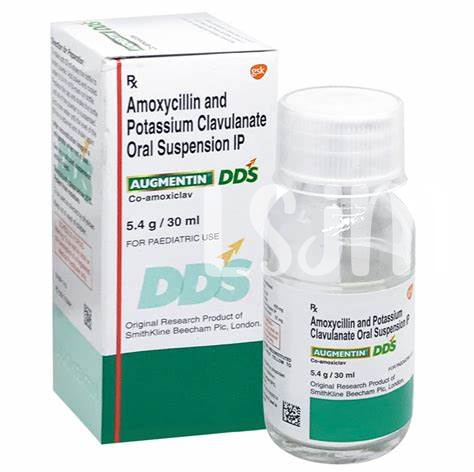
Taking a course of antibiotics can feel like a double-edged sword: you kill the infection but disrupt delicate gut communities. Drugs such as augmentin target bacteria broadly, and that collateral damage reduces beneficial microbes that help digest food and keep pathogens in check. This reshaping of the microbiome can alter bile salt metabolism and short-chain fatty acid production, affecting water absorption.
When helpful species decline, opportunistic organisms expand, producing higher stool frequency, looser stools, cramping, or sometimes inflammation. Antibiotic-associated diarrhea ranges from mild inconvenience to severe colitis if Clostridioides difficile takes hold. Symptoms may begin days into treatment or even afterwards.
Risk varies with antibiotic strength, duration, and individual factors like age, prior gut disruptions, or hospital stays. Simple steps, like probiotics, hydration, and fiber, often restore balance, but persistent or bloody diarrhea needs prompt medical review. Seek care.
Symptoms Differentiating Mild Versus Serious Diarrhea
A loose stool after starting augmentin is often temporary: mild cramps, slightly increased frequency, and soft stools are common and manageable at home with fluids and gentle diet changes indeed.
Watch for warning signs: severe abdominal pain, high fever, bloody stools, persistent watery diarrhea lasting over 48 hours, or dehydration signs such as dizziness and low urine output; seek care.
Mild cases usually improve while finishing augmentin with fluids, bland food and rest. Persistent or systemic symptoms that worsen require prompt medical evaluation, so contact your prescriber for immediate advice.
Risk Factors Increasing Diarrhea with Augmentin
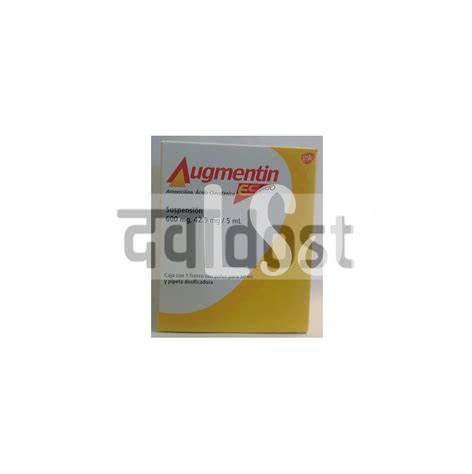
Some people notice loose stools when taking augmentin, and certain traits raise the odds. Older adults, infants, and anyone with prior gut conditions such as IBS or inflammatory bowel disease are more vulnerable. Recent or repeated antibiotic courses, higher doses, and longer treatment durations also deepen disruption of beneficial bacteria. The clavulanate component appears to contribute more gastrointestinal upset than amoxicillin alone.
Concomitant medications, proton pump inhibitors, metformin, laxatives, or other antibiotics, can compound effects, as can weakened immunity from chemotherapy, steroids, or chronic illness. Hospitalization, recent travel, or a history of C. difficile dramatically increases risk of severe disease. Dehydration and poor nutrition worsen symptoms. If you recognize multiple vulnerabilities, mention them when your clinician prescribes therapy so they can tailor the choice, dose, or consider preventive strategies such as probiotics or close monitoring. Act early if symptoms persist.
Practical Home Remedies and Diet Adjustments
When augmentin disturbs your rhythm, small changes at home can steady your gut. Sip clear fluids, avoid dairy and greasy meals, and favor gentle carbohydrates like rice or toast. Probiotics and plain yogurt may help restore balance, but introduce them after symptoms ease to avoid aggravation.
Also try small, frequent meals and avoid artificial sweeteners. Oral rehydration solutions replace salts lost during diarrhea; homemade versions with salt and sugar work in a pinch. If diarrhea persists despite these steps, contact your clinician for further guidance.
| Remedy |
|---|
| BRAT Hydrate |
| Probiotics later |
When to Seek Medical Help Immediately
Imagine waking in the night with relentless cramping and watery stool; that’s when you should act. Seek urgent help if diarrhea is very frequent or bloody, accompanied by high fever, severe abdominal pain, or signs of dehydration such as lightheadedness, low urine output, dry mouth, or rapid heartbeat. Also get immediate care for persistent vomiting that prevents oral fluids, confusion, or fainting.
People with weakened immune systems, elderly patients, infants, pregnant women, or those with recent hospital stays should contact their provider promptly even for milder symptoms. If you develop a widespread rash, swelling, difficulty breathing, or severe systemic symptoms, treat it as an emergency and go to the nearest ER. Keep a list of medications and recent antibiotic use to inform clinicians, and do not stop antibiotics without medical advice unless directed. Quick attention can reduce risk of complications.