
 Tapering Clonidine Safely: Avoiding Withdrawal Symptoms
Recognize Clonidine Withdrawal Signs Early and Clearly
After reducing a dose, you might feel subtle changes before they escalate. Imagine waking with jittery hands or an unexpected pounding in your chest—small signals that the nervous system is reasserting itself. Noticing these early makes meaningful difference in how safely you respond.
Common early signs include rapid heart rate, sweating, anxiety, headache, tremor, and high blood pressure. Track intensity and timing; sudden spikes or cluster of symptoms deserve prompt attention. Use a simple checklist so patterns are clear and can be reported accurately to your clinician.
| Symptom | Note |
|---|---|
| Heart racing | Measure pulse/BP |
| Anxiety | Note triggers |
Act quickly: contact your prescriber at first worrying signs and keep emergency numbers handy. If blood pressure or heartbeat climbs sharply, seek urgent care. Clear communication about timing, dose changes, and symptom severity helps clinicians tailor a slower taper or treatments to prevent escalation.
Work with Providers to Plan Personalized Taper
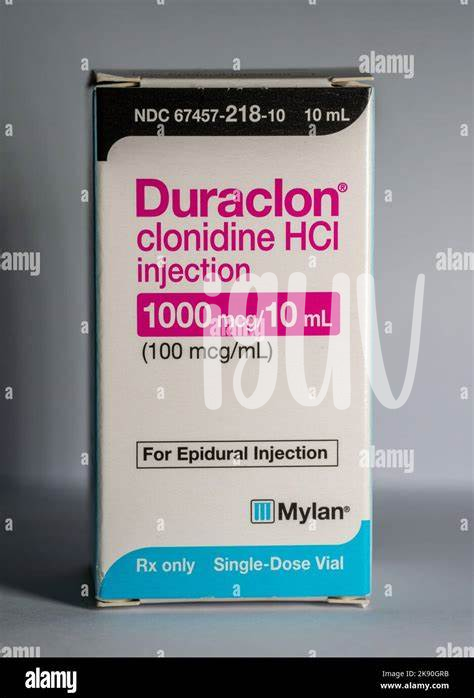
In my first clinic visit clear plans displaced uncertainty: we reviewed current clonidine dosage, how long it had been taken, and any other medications. That context guides how quickly reductions should proceed safely and confidently.
Providers tailor taper speed to individual risk factors: duration of use, peak and trough blood pressures, mental health, and pregnancy plans. They may suggest dose splits, alternate-day reductions, or slower steps for higher-risk people too.
Open communication matters: report tremor, anxiety, sweating, or rebound hypertension early. Your clinician can adjust the schedule, add temporary medications, or recommend home monitoring devices so changes are safe and measurable with regular, scheduled followups.
Shared decision-making reduces fear. Ask for a written plan, emergency instructions, and a contact for urgent symptoms. Small adjustments often prevent severe withdrawal, and steady collaboration improves comfort throughout tapering from clonidine every step safely.
Slow, Gradual Dose Reductions Minimize Withdrawal Risks
Imagine weaning off clonidine like easing a door closed rather than slamming it. A deliberate pace respects physiology and lowers the chance of abrupt rebound effects that can be alarming.
Small decrements in dose over weeks allow the body’s receptors to rebalance and reduce rebound hypertension, anxiety, and insomnia. Even modest pauses between reductions provide time to assess tolerance and adapt the plan safely too.
Clinicians often recommend fixed percentage reductions or splitting tablets; practical plans are individualized based on starting dose, duration, and symptoms. Shared decision-making ensures patients understand trade-offs and know when to slow the taper if warning signs appear.
Maintaining clear communication, tracking blood pressure, and adjusting pace when symptoms emerge helps prevent crises and supports a smoother transition off therapy. Keep a simple log, involve caregivers when appropriate, and contact your clinician promptly for concerning changes.
Monitor Vital Signs and Symptoms during Taper
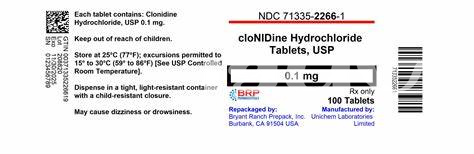
Tapering clonidine can feel unsettling; keeping a calm, methodical record turns anxiety into useful data. Take blood pressure and heart rate twice daily—morning and evening—and note symptoms like headache, jitteriness, sweating, or palpitations. Use a reliable home cuff and write readings in a simple log or app.
Track trends rather than single readings: an upward drift in systolic pressure of 20 mmHg or new persistent tachycardia deserves attention. Also record sleep, appetite, and mood changes; these often flag withdrawal before vital signs shift. Bring the log to appointments to support dose decisions.
If a reading is consistently very high (for example systolic ≥180 mmHg) or you experience chest pain, fainting, severe headache, or shortness of breath, contact your provider or emergency services. Regular, shared data lets clinicians adjust the taper safely and respond quickly if problems arise for added safety.
Nonpharmacologic Strategies to Cope with Symptoms
When tapering clonidine, imagine steady steps rather than leaps: gentle pacing helps. Deep breathing, paced walking, and cool showers can ease sweating and anxiety. Framing the process as short goals keeps motivation high and reduces panic when symptoms appear.
Establish routine sleep hygiene, limit caffeine, and practice progressive muscle relaxation to lower heart rate spikes. Keep a symptom diary to share with your clinician; tracking patterns enables timely adjustments to taper and empowers you with concrete data rather than fear.
| Strategy | Benefit |
|---|---|
| Breathing | Reduces anxiety |
| Exercise | Lowers blood pressure |
Lean on support networks and mindful techniques during difficult moments. Small behavioral tools often prevent escalation and complement any medical plan, making withdrawal manageable and safer.
When to Seek Emergency Care for Withdrawal
Imagine waking at night with a pounding heart, severe chest pain, dizziness, confusion, or fainting — those are red flags needing immediate attention. Very high blood pressure, difficulty breathing, seizures, persistent high fever, uncontrollable shaking, or frightening hallucinations indicate a serious reaction that should be evaluated without delay.
Call emergency services or go straight to the nearest emergency department. Bring a list of medications, the timing of your last dose, and any recent blood pressure readings. Tell clinicians you are tapering clonidine so they can assess vitals and begin rapid stabilization. If symptoms worsen quickly or you feel you might pass out, don’t hesitate — prompt evaluation prevents complications and helps restore safety. Also contact your prescribing clinician immediately, and bring a friend or family member who can describe recent changes, medications, dosing, side effects, and provide contact information for follow-up care.