

 Diclofenac Vs Ibuprofen: Which Is Better?
How Diclofenac and Ibuprofen Reduce Pain Differently
Picture two tools in a first-aid kit: both blunt the body’s chemical alarm, but by slightly different mechanics. Ibuprofen nonselectively and reversibly inhibits COX-1 and COX-2, reducing prostaglandins systemically. Diclofenac has greater COX-2 preference and concentrates in synovial fluid, giving stronger local anti-inflammatory effects for pain.
Clinically that translates into subtle distinctions: ibuprofen often provides quicker relief within 30–60 minutes but wears off sooner, leading to more frequent dosing. Diclofenac may take a longer time to peak yet sustains effect in joints and can appear more potent for inflammatory conditions, especially osteoarthritis and sprains.
Those mechanistic nuances shape prescribing: nonselective action links ibuprofen to more gastrointestinal irritation but lower long-term cardiovascular signal than some COX‑2–favoring drugs. Diclofenac’s joint accumulation makes it attractive for localized inflammation, yet raises cardiovascular caution. Personalized choice, lowest effective dose and clinician guidance are essential.
| Feature | Ibuprofen | Diclofenac |
|---|---|---|
| COX selectivity | Nonselective (COX-1 & COX-2) | Relatively COX-2 preferring |
| Onset / Duration | Faster onset, shorter duration | Slower peak, longer joint persistence |
| Common uses | Acute pain, fever, general inflammation | Inflammatory joint pain, osteoarthritis, sprains |
| Main risks | GI irritation (esp. high dose) | GI + higher cardiovascular caution |
Speed and Strength: Which Works Faster, Stronger?
A runner remembers cramping before a race and grabs ibuprofen, trusting its familiar quick relief and hoping the ache won't slow them down.
Clinically, both drugs inhibit prostaglandins, but diclofenac is often perceived as more potent for moderate to severe pain; individual response varies, and some studies show faster pain reduction in short trials.
For sudden aches, ibuprofen's reliable onset suits many; for stronger or persistent pain, a clinician may favor diclofenac or different formulations. Consider topical options for localized pain and avoid long-term use without medical advice and monitoring.
Weighing Gastrointestinal Versus Cardiovascular Side Effect Risks
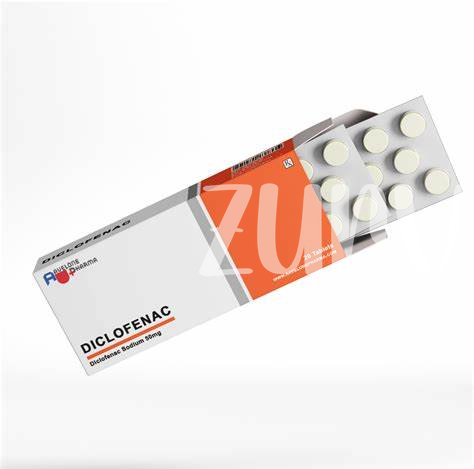
At the pharmacy she hesitated, reading labels and weighing stomach pain against long-term heart risk; diclofenac promised potency, but she often remembered warnings about cardiovascular safety from recent studies.
NSAIDs can erode the stomach lining, raising ulcer and bleeding risk, especially in older adults or those on steroids or anticoagulants; when prescribed, protective agents may mitigate harm.
Some drugs, notably diclofenac and certain COX-2-selective agents, have been linked to higher heart attack and stroke risk; dose and treatment duration importantly influence that danger in everyday practice.
Choosing safely means personalizing care: use the lowest effective dose for the shortest necessary time, screen for risk factors, and discuss alternatives or protective strategies with your clinician today.
Dosing, Formulations, and Real-world Usage Tips

Imagine reaching for a pain reliever after a long run; understanding dose and formulation matters. Over the counter ibuprofen is commonly 200 mg tablets taken every four to six hours, while diclofenac appears as tablets, topical gels, and patches with dosing tailored to the product and condition. Follow label directions and consider peak effects when planning activity.
Topical diclofenac reduces systemic exposure and suits localized joint pain, whereas oral NSAIDs often reach deeper inflammation faster. Using different formulations might be appropriate under medical supervision; never exceed maximum daily doses or combine NSAIDs without advice because cumulative exposure raises risk.
Simple habits help: take medications with food to reduce stomach upset, use the lowest effective dose for the shortest period, note symptom changes. If pain persists or you have heart, liver, kidney disease, consult your clinician about prescription options and monitoring.
Special Considerations for Children, Pregnant, and Elderly
As a caregiver, I’ve watched parents and grandparents navigate pain choices with a careful mix of worry and hope. For children, ibuprofen is usually preferred because of clearer dosing and safety; diclofenac is generally avoided in pediatric practice except under specialist advice or when prescribed for specific conditions.
In older adults the balance shifts: kidney function, drug interactions, and cardiovascular history change the risk profile, so lower doses or topical formulations are commonly used. Always discuss long-term NSAID use with a clinician, review current medications, and consider monitoring; individualized decisions reduce harm while keeping daily life active and comfortable. When in doubt, ask a clinician about safer alternatives and individual risk factors and monitoring plans.
Cost, Availability, and When Prescription Is Recommended
Shopping for relief, you’ll notice ibuprofen is often sold cheaply over the counter while diclofenac frequently shows up in prescription-strength forms; generics of both cut prices, and pharmacy brands can be more affordable than name-brand labels.
Availability varies by formulation: ibuprofen tablets, liquids, and gels are widely stocked; diclofenac appears as topical gels, patches, and oral prescriptions, and some countries restrict its nonprescription sale.
A doctor’s note is commonly required when higher doses, prolonged therapy, or injectable/controlled formulations are considered—especially for chronic arthritis or when safer cardiovascular or gastrointestinal options need evaluation.
Discuss generics, insurance coverage, and lowest effective doses with your clinician; pharmacists can recommend cost-saving alternatives and advise safe over-the-counter use when appropriate.