

 Doryx for Acne: Benefits and Treatment Expectations
How Doryx Tackles Acne: Mechanism and Action
I remember the relief when my dermatologist explained how Doryx works: it penetrates oil-filled follicles, reducing bacteria and soothing inflamed skin.
As a tetracycline antibiotic, it blocks bacterial protein synthesis, which limits Propionibacterium acnes growth and decreases lesion formation.
Beyond killing microbes, Doryx has anti-inflammatory effects that lower redness and pain, helping visible improvements even before all bacteria are gone.
Expect clearer skin when combined with topical care; consistent dosing and sun precautions optimize results while minimizing resistance and side effects, and regular follow-up monitoring by your clinician is recommended.
Clinical Benefits: Effectiveness Compared to Other Antibiotics
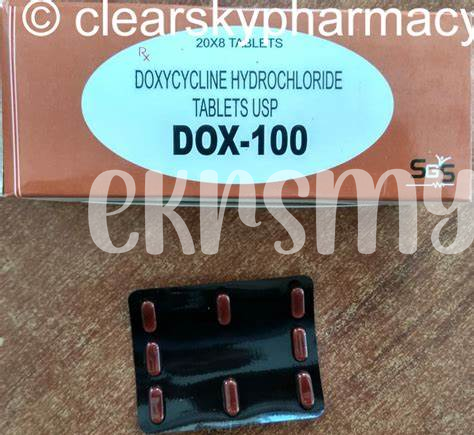
Patients often describe doryx as a balance of power and tolerability, targeting acne bacteria while calming redness. Its absorption profile also means fewer interactions with food.
Compared with erythromycin and older tetracyclines, it typically achieves similar or better lesion reduction with fewer gastrointestinal issues. That benefit can improve adherence in sensitive patients.
Trials show meaningful improvement in inflammatory lesions within weeks, and long-term use can lower recurrence when combined with topical care. Non-antibiotic effects, like reduced sebum and anti-inflammatory action, contribute to outcomes.
Still, antibiotic stewardship matters; doctors often limit duration and prefer combining therapies to prevent resistance and preserve effectiveness. Discuss risks with your clinician to tailor duration and monitor improvement over time safely.
Typical Treatment Timeline: When to Expect Results
Starting doryx often feels hopeful: some small lesions may shrink within two to three weeks, with clearer texture and fewer inflammatory pimples usually emerging by six to eight weeks. Significant improvement is commonly seen around three months, when acne-inflammation is markedly reduced and maintenance strategies are considered.
Stick with the prescribed course and avoid stopping early; intermittent flares can happen even as progress continues. If visible benefit is minimal after twelve weeks, discuss alternatives or adjunctive topical therapies with your clinician to optimize outcomes and plan regular follow-up and monitoring.
Proper Dosing and Administration Tips for Best Outcomes

Begin treatment exactly as your clinician instructs, taking doryx with a full glass of water to reduce esophageal irritation. Consistency matters: take doses at the same times each day, and follow the prescribed course even if acne improves quickly. Avoid antacids within two hours unless advised.
If swallowing tablets is difficult, some formulations may be taken with food to ease stomach upset; avoid lying down immediately after dosing. Do not double-dose to make up missed pills—skip the missed dose and continue the schedule, and notify your provider if several doses are missed. Report any yeast infections or vaginal symptoms promptly.
Antibiotics for acne often pair with topical treatments; use them together only under guidance to limit resistance. Keep follow-up appointments to assess effectiveness and side effects, and contact your clinician for signs like severe diarrhea or teeth discoloration in children.
Common Side Effects and Safety Precautions to Know
Starting doryx can feel like a small adventure: mild nausea, lightheadedness, and increased sun sensitivity are common early complaints.
Although most symptoms are transient, watch for severe diarrhea, rash, or breathing difficulties and notify your clinician promptly.
Avoid giving tetracyclines to children under eight or to pregnant patients; protect skin with sunscreen and limit sun exposure.
Stay hydrated, follow dosing instructions, and report concerns early. Always discuss antibiotic interactions and pregnancy status. Avoid antacids near doses.
| Effect | Action |
|---|---|
| Nausea | Monitor |
| Photosensitivity | Sunscreen |
Combining Doryx with Skincare and Follow-up Care
While taking Doryx, pair with a gentle, non-comedogenic routine: use a mild cleanser, light oil‑free moisturizer and broad‑spectrum sunscreen — doxycycline increases sun sensitivity. Benzoyl peroxide and topical retinoids are safe complements; avoid harsh exfoliants and alcohol‑based toners. Take tablets with a full glass of water and separate them from calcium‑rich foods or supplements by a few hours.
Schedule follow‑up at 6–12 weeks to assess response and consider tapering, since prolonged antibiotics raise resistance risk. Report severe side effects, new rashes or worsening acne immediately. If improvement is seen, care usually transitions to topical maintenance and strict sun protection. Ongoing communication with your clinician ensures appropriate duration, adjustments and safer combination strategies for long-term control.