

 Finasteride Dosage Guide: Finding Your Optimal Dose
How Finasteride Works: Hormones, Dht, and Hair
Think of hair follicles as quiet factories sensitive to chemical signals. Finasteride lowers levels of dihydrotestosterone (DHT), a hormone that can shrink follicles and shorten the hair growth phase. By blocking the enzyme that converts testosterone into DHT, the medicine protects follicles and encourages thicker, longer-lived hairs.
Results are gradual; stability often appears before regrowth. Regular use maintains lower DHT and prevents further shrinkage, giving follicles time to recover. Discuss risks and monitoring with a clinician so benefits outweigh potential side effects. Follow-up tests track progress and hormone levels regularly.
| Action | Effect |
|---|---|
| 5-alpha-reductase inhibition | Reduces DHT production |
| Lower DHT | Slows hair follicle miniaturization |
Standard Dosages Explained: 1mg Versus 5mg Options
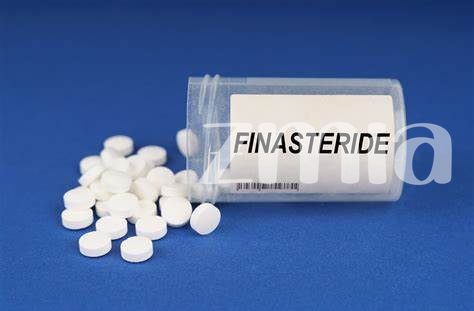
Two common finasteride strengths — 1 mg and 5 mg — tell different stories. The 1 mg tablet is the hair-loss formulation prescribed to slow male-pattern baldness by lowering scalp DHT, while the 5 mg tablet treats prostate enlargement with a larger systemic effect. Both work on the same enzyme.
Efficacy isn’t simply proportional to dose: for hair regrowth, 1 mg daily often achieves the desired DHT suppression in the scalp, whereas 5 mg produces greater serum reductions that matter for BPH. Side effects can increase with dose, so clinicians balance benefit against sexual and mood risks.
Practical choices include using a prescribed tablet or dividing doses only under medical advice; never self-adjust. Monitoring and follow-up help determine whether 1 mg suffices or higher exposure is warranted. Discuss goals, fertility plans, and tolerability with your prescriber to make informed decisions.
Personal Factors That Influence Your Optimal Dose
Your starting point matters: age, genetic background, family history of hair loss, and current pattern of thinning all influence how finasteride performs and what dose you might need, realistically.
Medical history, concurrent drugs, and liver health affect metabolism; some conditions raise risk of adverse effects, prompting lower starting doses or closer follow-up by your provider and informed consent.
Age and sexual function priorities influence tolerance; men worried about side effects may opt for conservative dosing, while others prioritize maximal regrowth and accept higher perceived risk after discussion.
Adherence, realistic expectations, and regular checkups are critical; blood tests and symptom tracking help your clinician adjust finasteride dose safely toward the goals you share together over time.
Timing, Consistency, and When to Expect Results
Many users find a simple ritual—taking finasteride at the same time each day—helps maintain steady drug levels and reduces forgetfulness. It can be taken with or without food, and whether morning or night is less important than sticking to a schedule so DHT suppression remains consistent over weeks and months.
Early changes are subtle: some see reduced shedding within three months, while clearer regrowth and thickening usually appear between six and twelve months. Maximum benefit often requires continuous use for a year or more; stopping the drug typically reverses gains within months as DHT activity returns.
If you miss a dose, take it when you remember unless it's near the next dose; do not double up. Regular follow-ups with a clinician and patience are essential—finasteride is a long-term treatment, and realistic expectations improve adherence and outcomes. Include simple lifestyle changes.
Managing Side Effects: What to Watch and Do
I remember the first week after starting finasteride; I watched changes closely, balancing curiosity with caution as I learned which signals mattered.
Common signs include decreased libido, erectile changes, reduced ejaculate, mood shifts, and nipple tenderness — note frequency and severity to report to your provider.
| Symptom | Action |
|---|---|
| Low libido | Monitor |
| Mood change | See doctor |
If severe or persistent effects arise, pause treatment and contact your clinician. They may recommend dose adjustment, temporary discontinuation, or specialist referral. Regular check-ins and blood tests can clarify cause and guide safe continuation while weighing benefits against risks carefully.
Adjusting Dose Safely: Doctor Guidance and Monitoring
When you consider changing a finasteride dose, start with a frank conversation with your prescriber; never alter dosing on your own. A doctor will weigh benefits against risks, review your history, and set a monitoring plan tailored to you.
Baseline measures often include PSA and relevant bloodwork, plus documentation of hair goals and side effects. Keep a symptom log noting libido, mood, and sexual function so changes can be correlated with dose adjustments.
Adjustments are typically gradual: small reductions or increments and reassessment after several months. Expect clinicians to allow three to six months for new steady states before deciding whether further change is needed.
Communicate often; report symptoms promptly; follow supervised tapering or switching.