
 Lopressor Interactions: Foods and Drugs to Avoid
Common Foods That Amplify Blood Pressure Medication Effects
I remember a patient who asked why grapefruit made their heart feel strange; small dietary choices can change how beta blockers behave. One meal can alter drug metabolism, increasing medication levels and side effects.
Salt-heavy foods may blunt benefits and raise fluid retention, while potassium-rich items can interact with combo therapies. Fatty meals slow absorption, sometimes leading to unexpected dizziness or low heart rate when combined with medication.
Ask your clinician about specific foods to limit and aim for consistent meal patterns; timing can matter as much as content. With mindful eating and clear guidance, you keep treatment effective and avoid surprises that could affect your heart. Carry a list of foods that raise interactions.
| Food | Possible effect |
|---|---|
| Grapefruit | Increases drug levels |
| Salty meals | Raises fluid retention |
Over the Counter Drugs That Clash with Beta Blockers
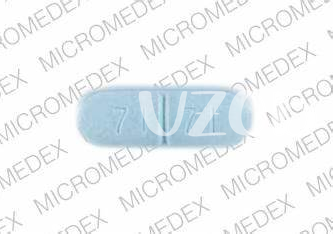
I reached for a common cold tablet and paused, remembering how simple pills can often upset heart meds. Some OTC decongestants raise blood pressure and counteract lopressor, creating jittery anxiety or dangerous spikes.
Nonsteroidal anti-inflammatory drugs like ibuprofen may blunt blood pressure control and worsen fluid retention when combined with beta blockers. Antacids with high sodium or certain cough syrups can similarly interfere.
Ask a pharmacist before mixing remedies; small choices have big consequences. Safe alternatives exist, and coordination with your clinician keeps treatment effective and prevents complications over time.
Herbal Supplements That Intensify Sedation and Heart Rate
Walking into a supplement aisle, it's easy to be seduced by promises of calm or sleep, but combining these remedies with lopressor can deepen drowsiness and slow the heart. Valerian, kava, and melatonin are culprits; their sedative effects add to beta-blocker-induced fatigue and dizziness.
Less obvious are stimulatory herbs such as ephedra or high-dose ginseng, which may alter heart rate and blunt lopressor's benefits. Always tell your clinician about herbal use; they can advise safe alternatives, monitor pulse and blood pressure, and reduce risk of falls or severe bradycardia episodes.
Alcohol, Caffeine, and Salt: Electrolyte and Heart Risks
A late-night drink that once relaxed you can now tug at your pulse; alcohol lowers blood pressure unpredictably and can magnify lopressor’s sedative effects, increasing dizziness or fainting risk.
Caffeine feels harmless, but strong coffee or energy drinks may temporarily raise heart rate and counteract beta-blocker benefits, destabilizing rhythm control for some patients.
High salt intake alters fluid balance and electrolytes, forcing the heart and blood vessels to work harder; when combined with antihypertensives, it can blunt therapeutic responses and worsen swelling.
Talk to your clinician about safe limits, staggered timing, and monitoring so you can enjoy modest treats without undermining lopressor therapy or risking electrolyte and cardiac complications and schedule regular follow-up lab checks.
Drug Combinations That Cause Dangerous Low Blood Pressure
I remember a patient who felt suddenly faint after adding a nitrate patch; stories like theirs show how combining common heart medicines can plunge blood pressure. Even doses of vasodilators with lopressor need close monitoring.
Mixing beta blockers with calcium channel blockers or alpha-blockers, or adding high-dose diuretics, magnifies hypotensive effects; certain antidepressants and antiarrhythmics can also lower vascular tone and slow heart rate, raising risk of sudden, severe collapse.
Recreational drugs and medications that dilate vessels, including erectile dysfunction pills or illicit stimulants, can pair dangerously with beta blockade. Symptoms often appear as lightheadedness, weakness, confusion, fainting, or an unusually slow or racing pulse.
If dizziness occurs, sit or lie down, measure pulse, seek help. Never stop lopressor abruptly; tapering under clinician guidance prevents rebound hypertension or arrhythmia. Always tell every provider about all drugs and supplements you use.
| Combination | Potential effect |
|---|---|
| Beta-blocker + Nitrate | Severe hypotension, fainting |
| Beta-blocker + CCB (verapamil/diltiazem) | Bradycardia, low BP |
| Beta-blocker + Diuretic | Marked BP drop |
| Beta-blocker + MAOI/antidepressant | Enhanced hypotension |
How to Safely Switch or Stop Heart Medication
When my doctor suggested a change, we made a stepwise plan together to protect rhythm and blood pressure while avoiding sudden withdrawal.
Always consult your prescriber before stopping any beta blocker; many require gradual dose reductions and monitoring of heart rate and symptoms regularly.
Switches often use overlap or tapering schedules and sometimes temporary alternatives; labs, ECGs, and blood pressure logs guide safe transitions and follow-up visits.
Watch for dizziness, chest pain, palpitations, or fainting and seek urgent care if severe; keep an updated medication list for providers at visits.