
 Prelone Dosage Guide for Infants and Children
Understanding Prelone When and Why It's Prescribed
When a child’s breathing tightens, an inflammatory rash spreads, or a severe allergic reaction appears, doctors may prescribe Prelone to calm an overactive immune response quickly. Parents often see measurable improvement within hours to days; clinicians select it for asthma flares, severe eczema, croup, and certain inflammatory or autoimmune conditions, weighing benefits against possible side effects.
Dosing decisions rest on the child’s weight, age, and illness severity, with short courses preferred when possible to reduce growth and metabolic risks. Your pediatrician will explain expected therapy length, monitoring needs, and when tapering is necessary. Never adjust or stop therapy without medical advice; careful use maximizes benefit while minimizing harm; always communicate concerns promptly.
| Common Indication | Typical Course |
|---|---|
| Asthma exacerbation | Short course (3–5 days) |
| Severe allergic reaction | Single dose or short course |
| Croup or significant inflammation | Short treatment or taper per clinician |
Accurate Dosing Weight Based Calculations for Young Patients

When a child’s weight guides treatment, caregivers feel both relief and responsibility; calculating doses precisely prevents mistakes and supports a rapid recovery.
Doctors usually prescribe per mg/kg; for example, 1 mg/kg becomes an easy formula. Always verify calculations when measuring prelone liquid doses carefully.
Round dose volumes to practical increments on syringes, but avoid overcorrection. Consult a pharmacist for odd weights or unusual dosing limits always.
Keep a current weight log and recheck at follow-up visits; bring medication and notes. Seek urgent care for breathing changes, fever, or severe vomiting.
Step by Step Measuring Tips for Liquid Prelone
A calm bedside ritual helps parents measure doses accurately and gently. Practice with water first for confidence.
Use an oral syringe, draw to the exact marking, and wipe any bubbles—this prevents underdosing. Avoid kitchen spoons which vary widely.
Label syringes with child's name and dose, prepare medicine at eye level, and keep a dosing log to track times. Store instructions nearby and follow the prescribed concentration.
If unsure about calculations or if prelone tastes strong, call your clinician before adjusting doses; small kids need consistent measurements. Carry this note always.
Managing Side Effects What Parents Need to Know
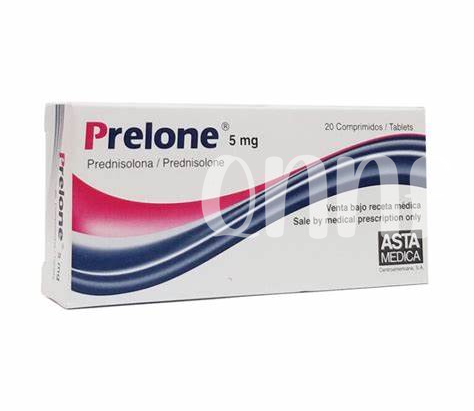
When your child starts prelone, observe sleep, appetite and behavior and keep a brief daily log of doses and symptoms. Small changes—night waking, extra hunger or fussiness—are common and often resolve, but tracking helps the clinician assess needs over time.
To reduce tummy upset give doses with food and, for insomnia, schedule earlier dosing when possible. Never stop steroids abruptly; withdrawal can occur. If side effects persist beyond a few days, call the prescriber for adjustment or advice.
Seek immediate care for high fever, breathing trouble, severe vomiting, rash, extreme mood changes or signs of infection. Bring your log to follow‑up visits so clinicians can spot patterns and keep treatment safe and effective for children.
Adjusting Doses during Illness or Follow up Visits
When illness shifts a child's symptoms, parents and clinicians reassess doses. Small changes in appetite or fever may require temporary prelone adjustments; never guess—call your prescriber promptly.
| Visit | Action |
|---|---|
| Phone | Review dose |
| In-person | Weigh and adjust |
At follow-up visits, expect weight checks and clear guidance. Keep a written log of doses, symptoms and any side effects to share. If illness worsens or you cannot reach the clinician, seek urgent care. Proper communication ensures safe, short-term dose changes and faster recovery for the child. Follow prescriber instructions for tapering schedules carefully.
Safe Storage Administration and When to Seek Help
Store the bottle tightly closed at room temperature away from heat and direct light; do not freeze. Keep it where curious hands cannot reach and always note the expiration date. Before each dose, shake well and use the supplied oral syringe or measuring cup—household teaspoons are unreliable. Calmly prepare the dose at a comfortable height so a fussy child feels secure; offer it slowly to reduce choking and to ensure the full amount is swallowed.
Contact your pediatrician or emergency services promptly if the child develops difficulty breathing, swelling, a widespread rash, persistent vomiting, very high fever, severe behavioral changes, or signs of infection. Bring the medication label and dosing record to all follow-up visits.