
 Strattera Myths Debunked: Facts Versus Fiction
How Strattera Really Works: Not a Stimulant
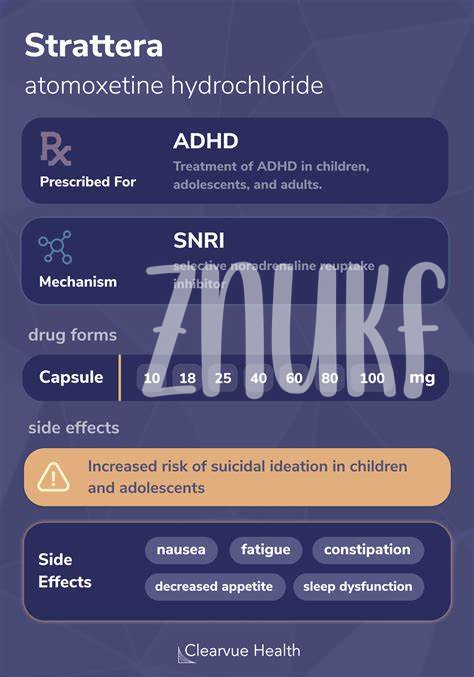
When I first read about atomoxetine, I pictured a calmer approach to attention issues. Rather than lighting up the brain like stimulants, it gently raises norepinephrine levels in the prefrontal cortex, improving attention and impulse control.
This selective norepinephrine reuptake inhibition alters signal-to-noise ratios in circuits that govern focus, without the dopamine surge that causes euphoria. That difference explains lower abuse potential and distinct side effect patterns compared with stimulant medications.
Patients often report steady gains rather than immediate spikes; full benefits can take weeks as neural networks adjust. Doctors tailor dosing and monitor metabolism differences, since enzymes like CYP2D6 affect how quickly the drug is processed.
Understanding this pharmacology helps set realistic expectations: it’s a targeted strategy for attention control that behaves differently from classic stimulants. When paired with therapy and lifestyle changes, many often find meaningful, sustainable improvements.
Debunking Addiction Fears: Is Strattera Addictive?
Imagine a medication that calms attention without cravings. strattera is not a stimulant; it affects norepinephrine and doesn’t produce the rapid dopamine surge linked to classic addiction and compulsive use.
Clinical experience and numerous studies show low abuse potential: few reports of dependence, and withdrawal is uncommon. Still, any medication altering brain chemistry should be monitored regularly by a clinician.
For patients and families worried about misuse, focus on adherence, informed prescribing, and open communication. With proper oversight, strattera remains a low-risk option compared with stimulant alternatives in many cases.
Onset and Effectiveness: Why Results Take Time
I started strattera hopeful but quickly learned patience is part of the treatment. Unlike stimulants that act within hours, atomoxetine works by slowly changing norepinephrine signaling and requires consistent dosing to build effect. Early shifts may be subtle.
Clinical trials and clinicians report meaningful improvement often emerging over two to six weeks, with full benefits taking three months. Dosage titration, metabolism, and comorbid conditions influence response, so monitoring and communication with your prescriber matter.
Think of progress as functional gains, like better focus, routine, and reduced impulsivity, that accumulate. Staying on a prescribed schedule, avoiding missed doses, and realistic expectations help distinguish true benefit from placebo or transient changes. With patience, data confirms measurable improvements.
Side Effects Reality: Common Versus Serious Risks

When I started strattera, I noticed small changes—dry mouth and mild nausea—signals the body adjusting rather than alarm bells. These common effects often ease after a few weeks of treatment.
Serious reactions are rare but real: mood swings, suicidal thoughts, or liver problems deserve prompt medical attention. Monitoring by a clinician reduces risk and helps separate coincidence from drug effect.
Know interactions, report new symptoms, and avoid sudden stops without guidance. With informed use and communication, strattera remains a valuable option whose manageable side effects often outweigh potential harms altogether.
Strattera for Adults and Children: Efficacy Differences
Parents and adults bring different stories to clinic visits: a child whose homework slowly improves, and an adult who finally notices clearer focus at work. strattera acts via norepinephrine, so timing, dose and lifestyle affect outcomes and responses diverge.
Trials show symptom reduction for both groups, but effect size and onset can vary. Children often require careful dose titration with growth and school feedback; adults may achieve steady benefits once appropriate dosing and sleep are optimized.
Set realistic goals with your clinician and track behavior or performance metrics. The table below highlights typical patterns to help families and adults form reasonable expectations during treatment and review side effects with follow-up appointments and periodic lab checks.
| Population | Typical onset | Common considerations |
|---|---|---|
| Children | 4–8 weeks | Dose changes with growth; school reports useful |
| Adults | 4–12 weeks | Stable dosing; comorbidities and sleep impact response |
Interactions, Dosing, and Misconceptions about Safety
Think of Strattera as a careful conversation between medicines: combining it with certain antidepressants, MAO inhibitors, blood-pressure drugs, or stimulants requires medical oversight. Always list prescriptions, OTCs, and supplements.
Dosing starts low and increases gradually; children’s doses follow weight-based guidance while adults move through fixed steps. Don’t skip doses or change amounts without consulting the prescriber.
Safety isn’t absolute: rare liver effects, pulse or blood pressure changes, and mood shifts can occur, particularly in youth. Regular monitoring, honest symptom reporting, and scheduled follow-ups make treatment safer and more effective overall.