
 Topamax Cognitive Effects: Memory, Focus, and Brain Fog
How Topamax Affects Memory: What Science Says
I remember feeling sharp one morning and suddenly searching for simple words; researchers have documented similar lapses. Clinical trials and observational studies report impairments in verbal fluency, attention, and episodic memory linked to topiramate use, especially at higher doses.
Neuroimaging and neuropsychological testing suggest mechanisms: modulation of glutamate and GABA pathways, altered cortical activation patterns, and metabolic effects that can slow processing speed. These changes are usually dose-dependent and vary widely between individuals.
Longitudinal studies show partial recovery after dose reduction or discontinuation, though some people experience lasting deficits. Clinicians balance seizure control or migraine prevention against cognitive risk, advising slow titration, lowest effective dose, and regular monitoring. Patient reporting should guide personalized treatment changes.
| Finding | Implication |
|---|---|
| Verbal fluency decline | Often dose-dependent; may improve after reduction |
Focus and Attention under Topamax: Patient Experiences
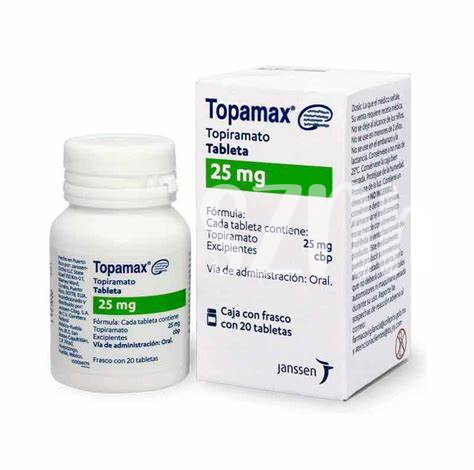
Many patients describe a sudden shift when they start topamax: mornings that once felt sharp become slower, and concentrating on small tasks can require deliberate effort. For some, this is a mild nuisance; for others, it interferes with work and daily routines.
People often report trouble sustaining attention during meetings or while reading, forgetting details, or needing more time to process information. Some adapt by using lists, timers, or breaking tasks into shorter segments, which reduces frustration and preserves productivity.
Discussing these changes with a clinician can clarify whether dose adjustments, timing shifts, or alternative medications might help. Patient stories highlight variability: cognitive effects often greatly improve over weeks, but monitoring and individualized plans matter.
Understanding Brain Fog: Symptoms, Duration, Mechanisms
Many people describe a mental haze with brief memory lapses, slowed thinking, trouble finding words, and reduced multitasking ability. These subjective symptoms often prompt medication review or cognitive testing now.
Duration varies: some notice improvement within weeks while others report months of persistent haze. Dose changes, gradual adaptation, or stopping topamax can influence recovery timelines and symptom intensity for some.
Mechanistically, alterations in neurotransmission—modulation of glutamate, enhancement of GABA, and carbonic anhydrase inhibition—can slow processing speed. Individual vulnerability, age, and concurrent meds modify risk and often explain variable recovery timelines.
Risk Factors That Increase Cognitive Side Effects

Some patients notice memory slips soon after starting topamax, but not everyone is affected. Age, dose, and personal brain chemistry shape vulnerability. Genetics and prior brain injury can tip the balance.
Higher doses and rapid titration increase risk, as do combining medications that suppress cognition. A history of migraine, epilepsy type, or prior cognitive issues also matters. Polypharmacy and older age are especially important to watch.
Lifestyle factors—poor sleep, alcohol, stress, and nutritional deficits—amplify fogginess and attention problems. Medical comorbidities like kidney disease or interactions with other drugs can slow clearance and heighten effects. Even temporary illnesses or dehydration may worsen symptoms.
Tracking symptoms, keeping a medication diary, and discussing alternatives with clinicians helps identify contributors. Adjusting dose, switching drugs, or addressing sleep and nutrition often reduces cognitive burden. Advocating for small changes often preserves daily functioning and emotional resilience.
Managing Cognitive Symptoms: Strategies and Treatment Options
Starting topamax, I felt fog settle in; learning routines helped me regain small wins. Joining a support group offered tips from others.
Structured sleep, short focused practice sessions, and a simple notebook reduced daily slips and boosted confidence. Hydration and regular meals help cognition.
Clinicians may adjust dosing, switch medications, or add cognitive helpers like stimulants or cholinergic agents when necessary. Neuropsych testing can clarify deficits and guide therapy.
Track symptoms, share patterns with your doctor, and weigh risks versus benefits—small changes often restore clearer thinking. Don't stop meds abruptly.
| Strategy | Example |
|---|---|
| Routine | Sleep, meals, notes |
| Medical | Dose change, testing |
When to Talk to Your Doctor about Changes
I noticed the fog creeping in during a week of meetings: words slipped, errands required lists, and my usual quick recall stalled. If cognitive changes are obvious, sudden, or worsening—trouble remembering names, frequent confusion, new difficulty finishing tasks, or sharp mood shifts—contact your clinician. Include timing, dose changes, other medications, and how symptoms affect daily life; these details help determine whether Topamax, interactions, or another condition is responsible for you.
Seek urgent care if dizziness, fainting, severe confusion, speech problems, or suicidal thoughts emerge. Otherwise schedule a timely appointment and bring a symptom log, medication list, and examples of daily tasks you struggle with. Ask about dose reduction, switching drugs, neuropsychological testing, or referral to cognitive therapy. Small adjustments—hydration, sleep hygiene, and spacing doses—may help while you and your doctor create a safe, personalized plan and monitoring schedule and follow-ups.