

 Traveling with Ventolin: Pack, Pumps, and Precautions
What to Pack: Inhalers, Spacers, and Extras
I slipped my rescue inhaler into a zip pouch, imagining dust on distant streets and late-night pharmacy hunts. It felt like a promise of safety.
Carry your primary inhaler and one spare in carry-on luggage, plus a spacer if you use one. Bring a photo of your prescription or a brief doctor’s note, label devices, and pack caps to prevent accidental discharge.
| Item | Why |
|---|---|
| Inhaler | Immediate relief |
| Spacer | Better delivery |
| Spare | Backup |
| Prescription | Refills and security |
| Caps | Prevent leaks |
Check expirations and dose counters before travel, shield inhalers from extreme heat or freezing, and keep medical records and a brief action plan accessible to stay calm and respond quickly if symptoms begin while traveling abroad.
Airport Security Tips: Carrying Inhalers and Documents
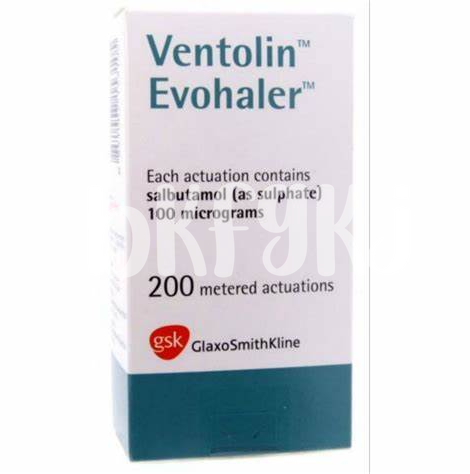
I tucked my ventolin inhaler into the carry-on and kept the prescription photo on my phone; at security I declared it and handed over documents so screening was calm and quick.
Carry a doctor’s note listing active ingredients, dosing, and emergency contact details; pack a spare in original packaging and a small letter explaining pump type for international checkpoints.
Be ready to separate inhalers during X-ray screening, ask for private inspection if needed, and verify airport or airline policies ahead of travel to avoid surprises and ensure medication access everywhere.
Carrying Spare Pumps and Protecting Against Damage
On a rainy layover I learned the value of a spare pump: when checked luggage went missing, my compact ventolin inhaler with its backup pump stayed with me, wrapped in a padded case. Pack an extra canister and a small, rigid travel case to prevent accidental discharge and crushing; remove the actuator cap and store both parts separately if pressure build-up worries you. Label backups with name and dosage.
Keep spares in your carry-on in a clear bag for security checks, avoiding luggage nightmares. Use foam or bubble wrap around metal canisters and secure with tape so they cannot rattle free. Avoid extreme heat or freezing by keeping them insulated against window seats; cabin pressure is rarely an issue, but check seals and expiration dates before departure. Bring a prescription and doctor’s note in case you need emergency replacement abroad.
Medication Storage: Temperature, Pressure, and Expiration Awareness
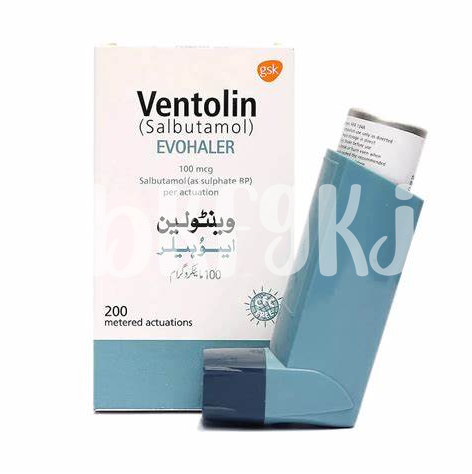
On a sunburnt bus through the mountains I learned to treat my ventolin like fragile cargo: keep it with you, not buried in checked baggage, and never leave it baking on a hot dashboard. Metered dose inhalers tolerate normal cabin pressure but are sensitive to extremes — store in a padded, insulated pouch away from direct sunlight, heaters, or freezing temperatures. A clear plastic case and the original box help protect the canister from knocks and accidental discharge.
Before any trip check expiry dates and replace inhalers close to their limit; an expired ventolin may be less effective when you need it most. Keep a spare canister in your carry on, clearly labeled with your name and prescription. Avoid puncturing or exposing cans to high heat or sharp impacts, and discard any that show damage, leakage, or have passed expiration.
Managing Attacks While Traveling: Action Plans and Tips
On a long flight I felt the familiar tightness in my chest; staying calm mattered more than panic. Slow breaths and a clear plan turned anxiety into manageable steps.
Always carry your fast-relief inhaler and a written action plan. If symptoms start, sit upright, use ventolin as prescribed, wait five minutes, and repeat if needed. Alert companions.
For severe attacks, seek immediate medical help and tell crew or staff exactly what you took. Use spacer devices if available and keep medication accessible at all times.
Keep emergency contacts and pharmacy info handy:
| Symptom | Action |
|---|---|
| Mild | Use one to two puffs, wait five minutes |
| Severe | Call emergency services; use inhaler and seek help immediately right away |
Coordinating with Airlines and International Prescription Rules
I call the airline before travel; agents verify rules for inhalers, spare canisters, and pressurized devices.
Carry a doctor's letter with diagnosis, medication names, dosages, and necessity; translate it if possible. Keep original prescriptions and copies in different bags.
Check destination import limits and controlled-substance rules online or via the embassy; some nations require permits. Note local pharmacy chains and emergency contacts.
At check-in and security, present paperwork calmly and keep inhalers accessible in carry-on. Planning ahead prevents delays and keeps you breathing easy during long flights, layovers, or transfers.